Clothing communicates before a single word is spoken—both outwardly to others and inwardly to the self. Fashion psychology looks at how color, fit, texture, and even symbolism can shift mood, sharpen confidence, and make personal style feel intentional instead of accidental. With a few practical frameworks, getting dressed can become a supportive routine: one that helps you feel more like yourself in real life, not just in a fitting room.
An outfit is a signal. In a meeting, clean lines and a structured layer can read “in charge.” On a casual day, softer fabrics and rounded shapes can feel more approachable. Even when no one comments, the brain still “reads” what you’re wearing and responds.
Research on “enclothed cognition” suggests that clothing tied to certain meanings can influence attention and behavior—especially when you associate a piece with a role or a mindset you’re stepping into. That effect pairs well with principles like self-perception theory, where actions (like dressing with purpose) can reinforce how you interpret yourself.
Confidence often rises when outfit + context + identity line up. When something fits well, moves well, and feels “true,” posture tends to lift, eye contact is easier, and decision fatigue drops. Best of all: small shifts matter. Switching one element—shoes, jacket, silhouette, or a color choice—can change how the whole look performs.
Use color temperature, softness versus structure, and sensory comfort to influence emotional tone. Bright, warm shades can feel energizing; cool or muted tones can feel calming. (Color psychology is nuanced and personal, but a helpful overview is available via Britannica’s color psychology overview.)
Prioritize fit, proportion, and “anchor pieces” you can count on—items that reliably feel strong and flattering. A great top that sits perfectly on the shoulders, or a jacket that makes you stand taller, can act like an on-switch on days when motivation is low.
Style becomes easier when it’s repeatable. Instead of chasing novelty, build a few simple formulas and a small palette that reflects you. A quick test: note how an outfit affects energy at the start of the day, then notice whether it still feels good after several hours of movement, sitting, and real-life temperature changes.
Think of your closet as a language you can speak fluently with a limited set of tools:
| Goal | Signals to emphasize | Fast swap that changes the feel |
|---|---|---|
| Calm and grounded | Soft textures, gentle contrast, breathable fabrics | Swap a stiff top for a drapey knit or silk-like tee |
| Confident and decisive | Structured layers, clean lines, defined waist/shoulder | Add a blazer or choose a crisp, polished top |
| Creative and playful | Graphic elements, color pops, unexpected accessories | Add a printed tee or a bold accessory in one bright color |
| Approachable and warm | Medium contrast, rounded shapes, light layers | Choose a lighter neutral and softer fabric finish |
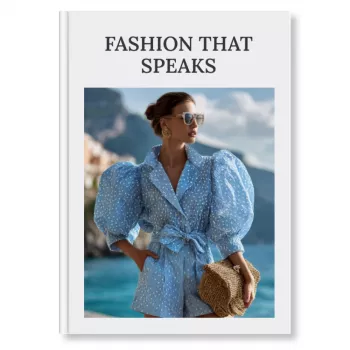
If dressing well feels like a mystery some days, a focused guide can help turn instinct into a repeatable system. Fashion That Speaks | Ebook on Fashion Psychology: Dress to Influence Mood, Confidence & Style is useful as:
Outfits can influence confidence because they work as both a personal cue (reinforcing a mindset) and a social signal (shaping how others respond). Research on enclothed cognition suggests clothing with meaning can affect focus and behavior, so prioritizing fit, comfort, and symbolic “power pieces” is a practical way to support confidence.
Use one intentional color with neutrals, or choose a softer shade with lower saturation to keep it natural. Start small (a top, shoes, or an accessory), adjust contrast, and track how you feel over a few wears before expanding the color story.
Consistency doesn’t require dressing the same—it can come from repeating a silhouette, a palette, or a few dependable outfit formulas. Anchor pieces plus a daily 3-word intention help you stay “you” even when your mood or schedule changes.









Leave a comment